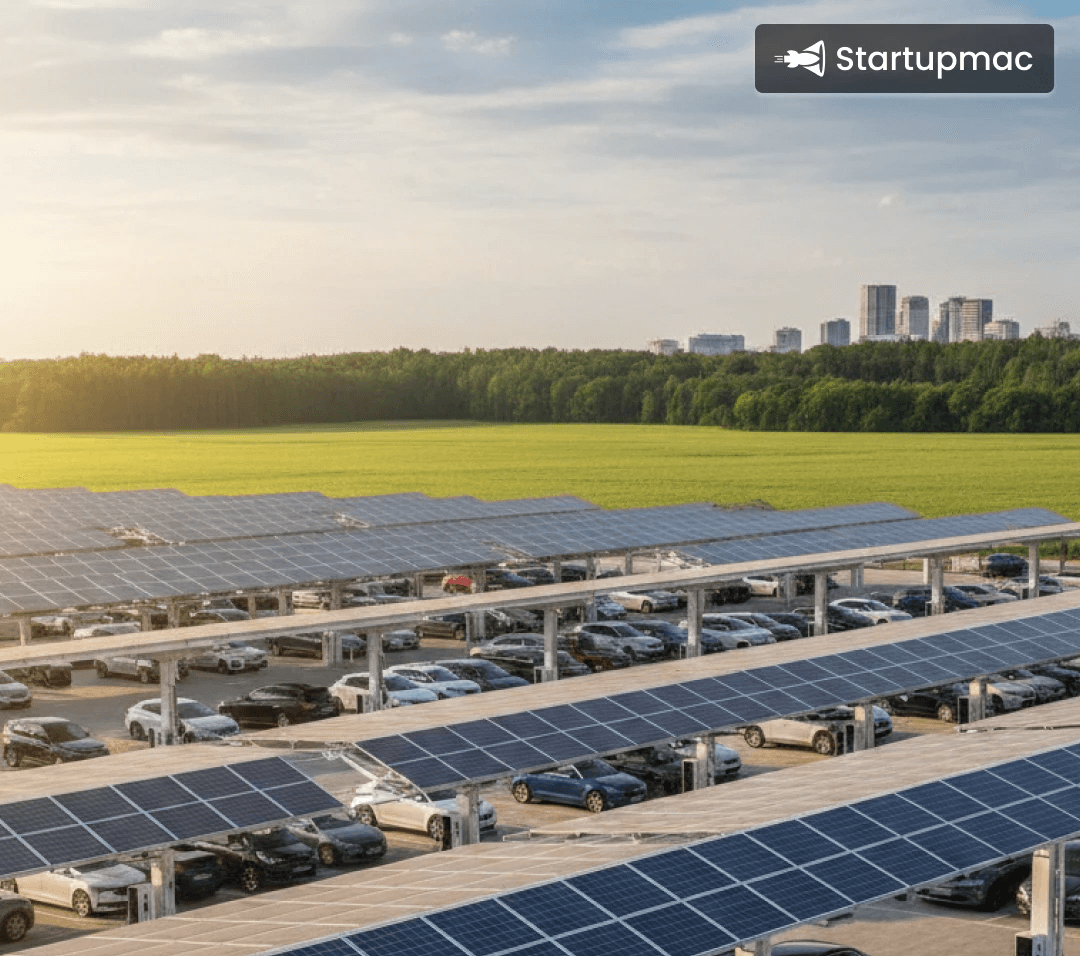

As the global demand for renewable energy accelerates, a silent conflict has emerged over land use. While vast solar farms are traditionally built on open, undeveloped landscapes, this often comes at the expense of biodiversity and prime agricultural land.1 However, a smarter solution is hiding in plain sight within our cities. By transforming underutilized paved areas into energy-producing hubs, we can meet our climate goals without sacrificing the green spaces that sustain our food systems and ecosystems.
Large parking lots, often dismissed as "urban heat sinks," represent a massive opportunity for dual-use infrastructure.2 These existing footprints are already cleared, leveled, and located near the very buildings and grids that need power.3 Covering them with solar canopies—elevated structures topped with photovoltaic panels—turns stagnant asphalt into a productive asset.4 This approach maximizes the utility of land that has already been developed, effectively "double-cropping" the space for both transportation and energy.5
The environmental benefits of solar canopies extend far beyond clean energy production.6 In many cities, the "Urban Heat Island" effect causes paved areas to be significantly hotter than their surroundings, with asphalt temperatures often reaching $60$°C to $70$°C in peak summer. Solar canopies intercept this solar radiation, providing direct shade that can lower ground temperatures by as much as 7$20$°C to 8$30$°C.9 This cooling effect not only makes the immediate area more comfortable but also reduces the overall thermal load of the city.10
For vehicle owners, the advantages are immediately practical.11 Shaded parking protects cars from the degrading effects of UV radiation, prevents interior overheating, and shields vehicles from rain, hail, and snow.12 A car parked under a canopy stays significantly cooler, which means the driver uses up to 25% less fuel or battery power on air conditioning when they start their journey.13 This creates a ripple effect of efficiency, where the solar energy produced above is complemented by energy saved below.
Furthermore, solar canopies are the perfect catalyst for the electric vehicle (EV) revolution.14 These structures provide the ideal framework for integrated charging stations, allowing cars to charge directly from the sun while they sit idle.15 By decentralizing energy production, we reduce the strain on aging city grids and minimize the energy loss that typically occurs during long-distance transmission.16 It is a highly efficient, localized system that supports a sustainable transport network.17
Economically, these projects are becoming increasingly attractive for businesses and municipalities. While the initial structural costs are higher than traditional rooftop solar, the long-term ROI is bolstered by energy savings, potential tax incentives, and even increased revenue from premium "covered" parking spaces.18 Properties with visible renewable energy infrastructure also signal a strong commitment to sustainability, which can enhance brand reputation and attract environmentally-conscious customers.19
Ultimately, the future of energy depends on our ability to do more with the spaces we have already built. Prioritizing solar canopies ensures that "fields remain fields" and "forests remain forests," protecting the natural landscapes that are vital for carbon sequestration and food security. By reimagining our parking lots as power plants, we can build more productive, resilient, and cooler cities for the generations to come
NEVER MISS A THING!
Subscribe and get freshly baked articles. Join the community!
Join the newsletter to receive the latest updates in your inbox.