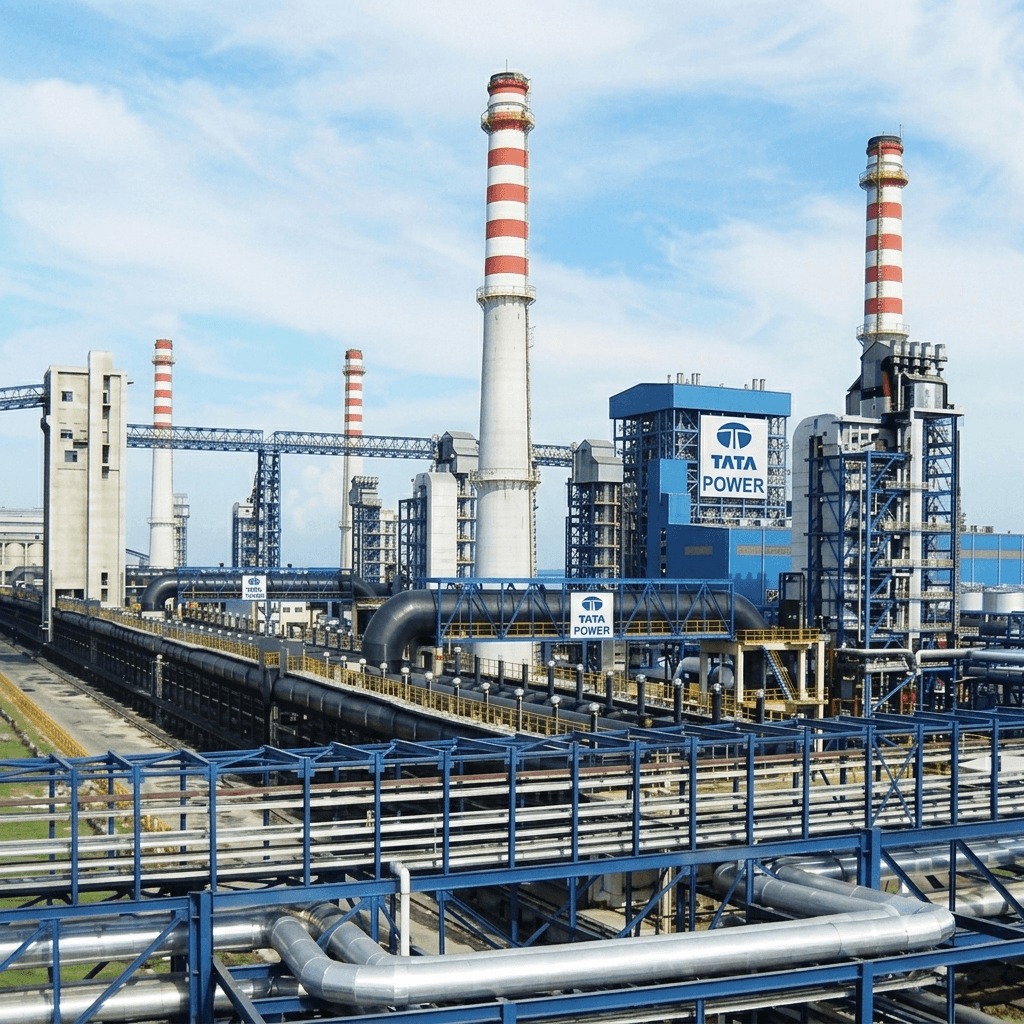

A ₹1 trillion revenue target is far more than a corporate financial milestone; it serves as a bold statement about the trajectory of India's energy ecosystem. As one of the nation's premier power utilities, Tata Power's ambitious vision reflects a foundational shift in how industrial success is defined in the modern energy sector. Beyond mere balance sheet expansion, this goal benchmarks the speed at which India's core infrastructure can evolve to meet the demands of an increasingly electrified and climate-conscious economy.
At the core of this strategic roadmap lies a target of achieving ₹1 lakh crore (₹1 trillion) in annual revenue alongside ₹10,000 crore in profit by FY2030. Reaching these figures will require a multi-faceted expansion across generation, transmission, distribution, and clean energy solutions. By establishing high-yield financial objectives tightly coupled with sustainability benchmarks, the company is aligning its corporate growth directly with national development priorities.
For decades, power companies across the globe were evaluated almost exclusively by the volume of electricity they produced and distributed. Today, that narrative has fundamentally changed. Modern utility providers are judged by the velocity at which they can accelerate the clean energy transition while maintaining grid resilience and consumer affordability. The traditional reliance on fossil-fuel-heavy portfolios is rapidly giving way to integrated, green power ecosystems.
To achieve its FY2030 commitments, Tata Power is executing an aggressive capital allocation strategy focused heavily on non-fossil infrastructure. This includes deep investments in utility-scale renewable energy projects, grid modernization, battery energy storage systems (BESS), and advanced equipment manufacturing. Expanding grid capacity and integrating energy storage are critical steps in ensuring that variable renewable sources, such as wind and solar, can reliably meet peak demand across urban and industrial hubs.
A vital pillar of this expansion strategy is a proposed solar equipment manufacturing facility in Odisha. By expanding domestic manufacturing capacity, the initiative is designed to fortify India’s clean-energy supply chain against global market volatility and significantly reduce reliance on critical imports. Strengthening local manufacturing ensures that the technology driving India's energy transition is designed, built, and deployed within the country.
Ultimately, the broader narrative extends well beyond top-line revenue targets and profit margins. It represents a long-term institutional commitment to constructing the critical infrastructure required to fuel India’s next decade of economic growth. Every solar panel produced, every renewable project commissioned, and every battery storage unit deployed contributes directly to national energy security, generating compounding benefits for the broader economy.
As India continues its transformation into a global economic powerhouse, the role of energy providers has been permanently redefined. The industry leaders shaping tomorrow will do far more than just supply megawatts to the grid; they will build the sustainable, self-reliant foundation that powers the nation's future.
NEVER MISS A THING!
Subscribe and get freshly baked articles. Join the community!
Join the newsletter to receive the latest updates in your inbox.