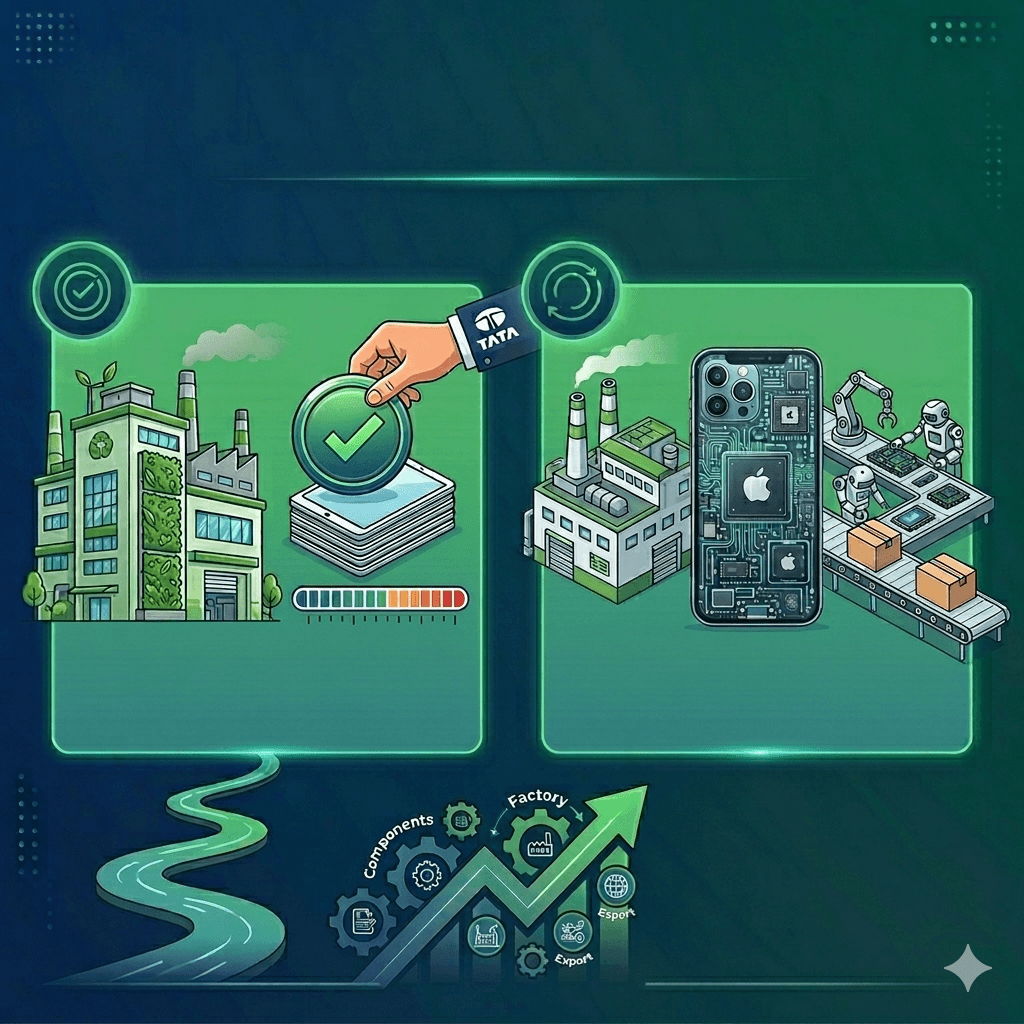

The Tamil Nadu Pollution Control Board (TNPCB) has officially dropped its environmental scrutiny of Tata Electronics’ iPhone component manufacturing facility in Hosur, Tamil Nadu. The decision brings an abrupt end to a high-stakes standoff that threatened to disrupt Apple's massive hardware diversification push within India. According to an official statement released by Tata Electronics, the state regulatory body concluded that the company "satisfactorily addressed all queries mentioned" in a previous warning notice and has subsequently closed the investigation.
The resolution follows an intense wave of regulatory pressure that peaked when the TNPCB issued a formal show-cause notice to Tata Electronics under India's Water (Prevention and Control of Pollution) Act. Based on field inspections conducted between December 2025 and May 2026, the pollution control authority had warned the Apple supplier of a potential power cutoff and a forced operational shutdown. Regulators cited discrepancies where industrial wastewater was allegedly routed into an internal rainwater harvesting pond, causing an overflow that local farmers claimed was seeping into adjoining open wells and agricultural lands.
In response to the initial threat, Tata Electronics immediately mobilized a defensive campaign centered on precise chemical and environmental parameters. While the TNPCB’s public files initially noted elevated levels of Biochemical Oxygen Demand (BOD), Chemical Oxygen Demand (COD), and Total Dissolved Solids (TDS) within the plant's northern retention pond, Tata fiercely contested those findings. The company commissioned an independent analysis through a nationally accredited laboratory, which returned data showing that all wastewater parameters fell completely within acceptable legal thresholds.
The standoff dissolved after the state pollution board executed a new round of independent water sampling at the Hosur plant. In its ultimate assessment, the TNPCB's latest scientific breakdowns mirrored Tata's defense, yielding zero indicators of external groundwater or soil contamination. Tata Electronics emphasized that the local authority confirmed "the reports of its own analysis of recently collected water samples... do not indicate any contamination," completely exonerating the site from the threat of regulatory closures.
The rapid dismissal of the case provides significant relief to Apple's broader supply chain strategy, which has experienced several operational hurdles in the region. Over the past few years, manufacturing operations in India have faced occasional disruptions, including a localized fire at this exact Hosur enclosure facility in late 2024, alongside similar industrial incidents at competing assembly partners. Furthermore, international tech suppliers have routinely drawn closer inspection from India’s environmental authorities, emphasizing the complex operational realities of rapid industrial growth.
The Hosur facility sits roughly 25 miles south of Bengaluru and functions as a critical nexus for Apple's high-tier hardware ecosystems, specializing in the complex production of iPhone back panels and chassis enclosures. Tata’s expanding role—bolstered by its acquisition of Wistron's Karnataka operations and a majority stake in Pegatron India—establishes the conglomerate as a vital player in global consumer electronics. An unexpected pause or power severance at this facility would have triggered severe downstream shortages for assembly plants across South Asia.
With the environmental dispute resolved, Tata Electronics can proceed unimpeded with its component manufacturing schedules. This regulatory outcome safeguards India’s projection to manufacture roughly 26% of all global iPhones, a steep surge from its mere 6% footprint just four years prior. As Apple steadily shifts core supply chains outward to mitigate heavy reliance on mainland China, local compliance resolutions like Tata's ensure that the subcontinent remains an attractive, high-yield manufacturing frontier.
NEVER MISS A THING!
Subscribe and get freshly baked articles. Join the community!
Join the newsletter to receive the latest updates in your inbox.