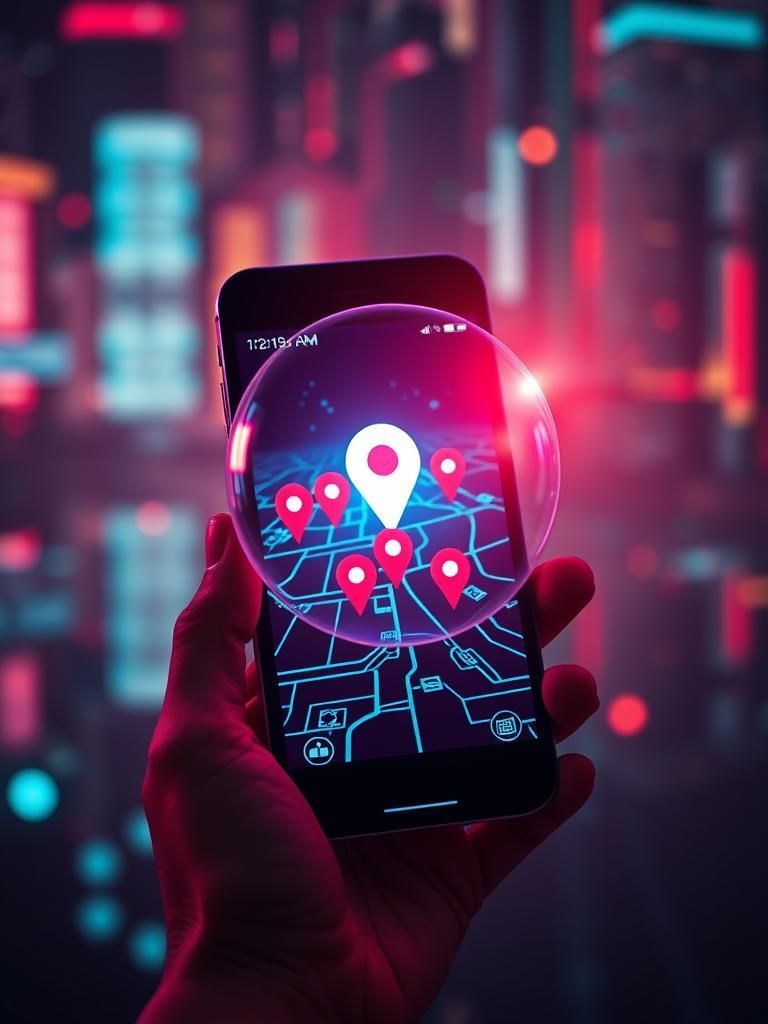

In a major leap for public safety, Google officially launched its Emergency Location Service (ELS) for Android users in India on December 23, 2025. This life-saving feature allows local emergency responders to pinpoint a caller's location with high precision during a crisis, even when the caller is unable to provide their address. Uttar Pradesh has become the first state in the country to fully operationalize this technology, integrating it directly into its 112 emergency helpline infrastructure to ensure faster and more accurate help for those in distress.
The ELS feature addresses one of the biggest challenges faced by first responders: finding callers who are panicked, injured, or in unfamiliar territory. Traditionally, emergency services relied on cell tower triangulation, which can have a margin of error of several kilometers. In contrast, Google's ELS utilizes a combination of GPS, Wi-Fi, mobile network signals, and on-device sensors to provide accuracy within a 50-meter radius. This precision is powered by Android’s machine-learning-based "Fused Location Provider," designed to work effectively even in dense urban environments or remote areas.
The rollout in Uttar Pradesh follows a successful multi-month pilot program that demonstrated the system's reliability in one of the world's most populous regions. During the testing phase, the service supported over 20 million emergency calls and messages, identifying caller locations even in critical instances where the call dropped within seconds of connecting. By providing immediate coordinates to the UP112 command center, the technology allows dispatchers to send police, fire, or medical support to the exact spot without wasting vital seconds on verbal confirmation.
One of the most significant advantages of ELS is that it requires no additional hardware or app installation. It is a built-in feature of the Android operating system, available on devices running Android 6.0 and above. The service remains dormant during everyday use, ensuring it does not drain the battery, and only activates the moment a user dials 112 or sends an emergency SMS. This "set-it-and-forget-it" approach ensures that millions of users are protected by default without needing to manage complex settings.
Privacy and data security are core pillars of the ELS framework. Google has emphasized that the service is event-based, meaning it only transmits data during an active emergency. Crucially, the location coordinates are sent directly from the handset to the emergency service provider’s endpoint. Google does not collect, see, or store this location data on its own servers, ensuring that a user’s movements remain private and are only shared with authorized first responders in a moment of life-or-death necessity.
Beyond just coordinates, ELS can transmit supplemental information that helps responders act more efficiently. This includes the caller's device language setting, which allows 112 operators to immediately determine if a translator is needed. In a country as linguistically diverse as India, this feature could prove invaluable for assisting tourists or migrant workers who may struggle to communicate with local authorities during an emergency. This contextual data provides a more holistic view of the situation before help even arrives on the scene.
As Uttar Pradesh leads the way, Google and state governments are already looking to expand this technology across the rest of India. The successful integration with Pert Telecom Solutions (PertSol)—the technical partner managing the 112 routing—serves as a blueprint for other states to modernize their emergency response systems. With over 80% of emergency calls now originating from mobile phones, the activation of ELS is a critical step in turning every Android device into a powerful beacon for public safety.
NEVER MISS A THING!
Subscribe and get freshly baked articles. Join the community!
Join the newsletter to receive the latest updates in your inbox.