
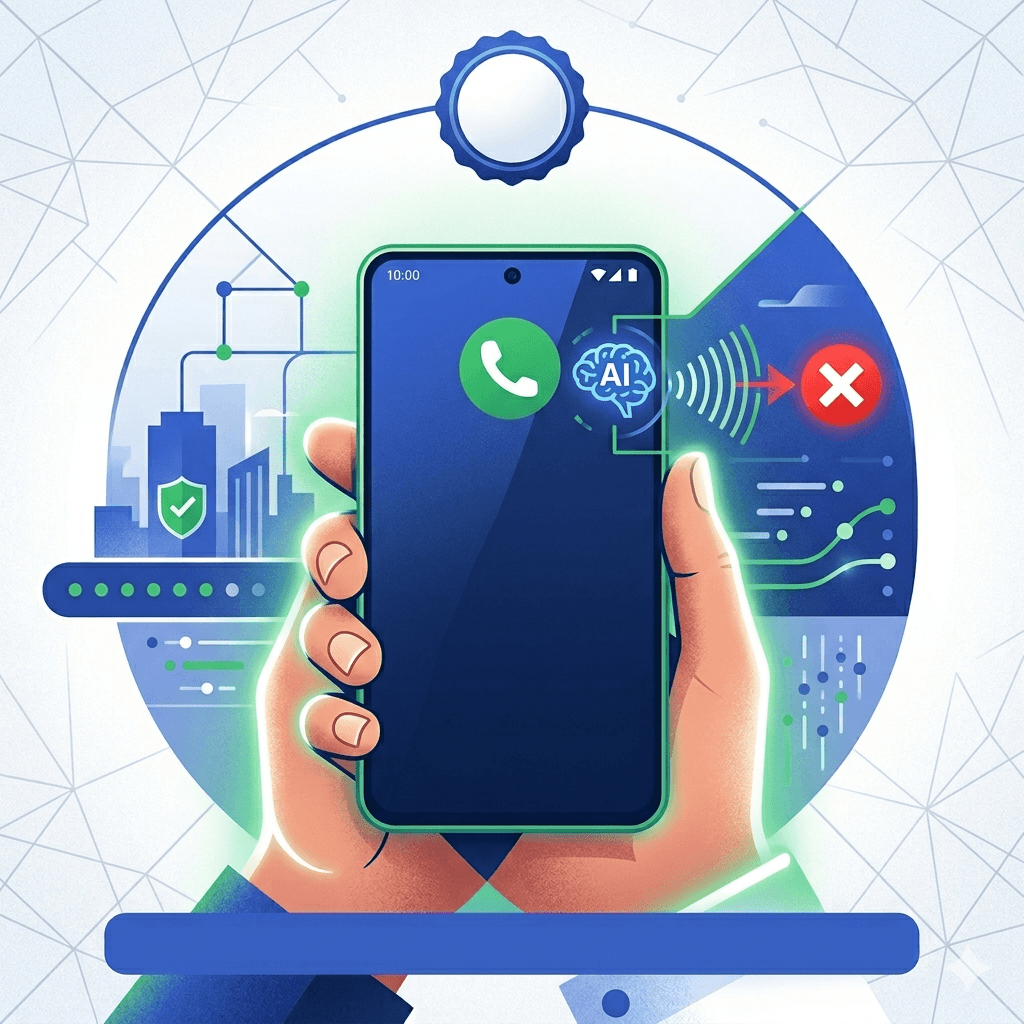

In an era where cybercriminals are deploying increasingly sophisticated tactics, distinguishing a genuine phone call from a fraudulent one has become harder than ever. Scammers have transitioned from using unknown random numbers to executing highly coordinated social engineering attacks. By pairing spoofed caller IDs of trusted contacts with exceptionally realistic AI voice-cloning tools, fraudsters can flawlessly mimic family members, employers, or financial institutions to manipulate victims into transferring funds or revealing sensitive information. Recognizing that standard endpoint security measures are no longer enough to counter these AI-augmented vectors, Google has stepped up with an industry-first defense mechanism.
AI Weekly
Verifying the Device, Not Just the Voice
Google has officially introduced a groundbreaking real-time fake call detection feature for Android devices. Moving away from traditional strategies that rely solely on flagging suspicious numbers or analyzing voice metrics, this new layer of security takes a hardware-centric approach. Google’s fundamental philosophy with this feature is to verify the physical source making the call rather than attempting to authenticate the highly clonable human voice. By determining whether an incoming ring actually originates from the designated contact's handset, Android can intercept spoofing attacks in real time.
indianexpress.com+ 2
The Technology: A Silent RCS Handshake
The underlying magic behind this feature is a secure, automated verification system built on Rich Communication Services (RCS) technology. When both you and your contact utilize the official Phone by Google app, the caller’s device initiates a silent, end-to-end encrypted "digital handshake" over the RCS network at the exact moment a call is placed. Because this operational backend relies on cryptographic device-level confirmation rather than public telecom routing protocols, it creates a robust, highly private channel that external fraudsters cannot easily replicate or bypass.
AI Weekly+ 1
What Happens When a Scam Occurs
When a bad actor attempts to spoof a trusted contact's phone number, the required silent RCS confirmation signal will be entirely absent. Upon detecting this anomaly, your Android device automatically pings the actual, legitimate handset belonging to that contact in the background. If the target contact’s real phone replies back with a silent message stating, "I am not currently making a call," your screen will instantly display a prominent warning advising you to hang up immediately.
AI Weekly+ 1
Privacy at the Core
Maintaining user confidentiality is a major component of this launch. Because the validation process uses end-to-end encrypted infrastructure, the entire transaction remains entirely private between the two active endpoints. Google has stressed that this background check does not monitor, record, or upload conversation audio to cloud servers. For individuals who prefer complete control over their device's communication behavior, Google has left the functionality entirely flexible; the feature is modular and can be deactivated at any time directly through the Phone by Google settings menu.
Indiatimes+ 1
Rolling Out Globally: Who Gets It First?
The real-time fake call detection feature is rolling out globally, bringing immediate phone-layer defense against AI voice impersonation to users worldwide. The feature is supported on Android 12 and newer devices, making its official debut on Google Pixel smartphones. For users with compatible hardware from other manufacturers, securing this protection is as straightforward as downloading the Phone by Google app from the Play Store and configuring it as the operating system's default dialer.
AI Weekly+ 1
Shaping an Industry-Wide Security Standard
"Google embedding verification in RCS rather than a closed protocol creates a potential open standard that other apps and companies could adopt..."
AI Weekly
By anchoring this technology to the open RCS architecture rather than a walled garden, Google has extended an open invitation to third-party communication applications and global smartphone original equipment manufacturers (OEMs). Early adoption of this protocol allows third-party developers to market robust deepfake protection in a consumer landscape that is deeply aware of digital scams. As real-world data populates from the initial Pixel rollout, this verification system may soon evolve from a standout Android feature into a universal trust signal for global telecommunications.
AI Weekly
NEVER MISS A THING!
Subscribe and get freshly baked articles. Join the community!
Join the newsletter to receive the latest updates in your inbox.


