
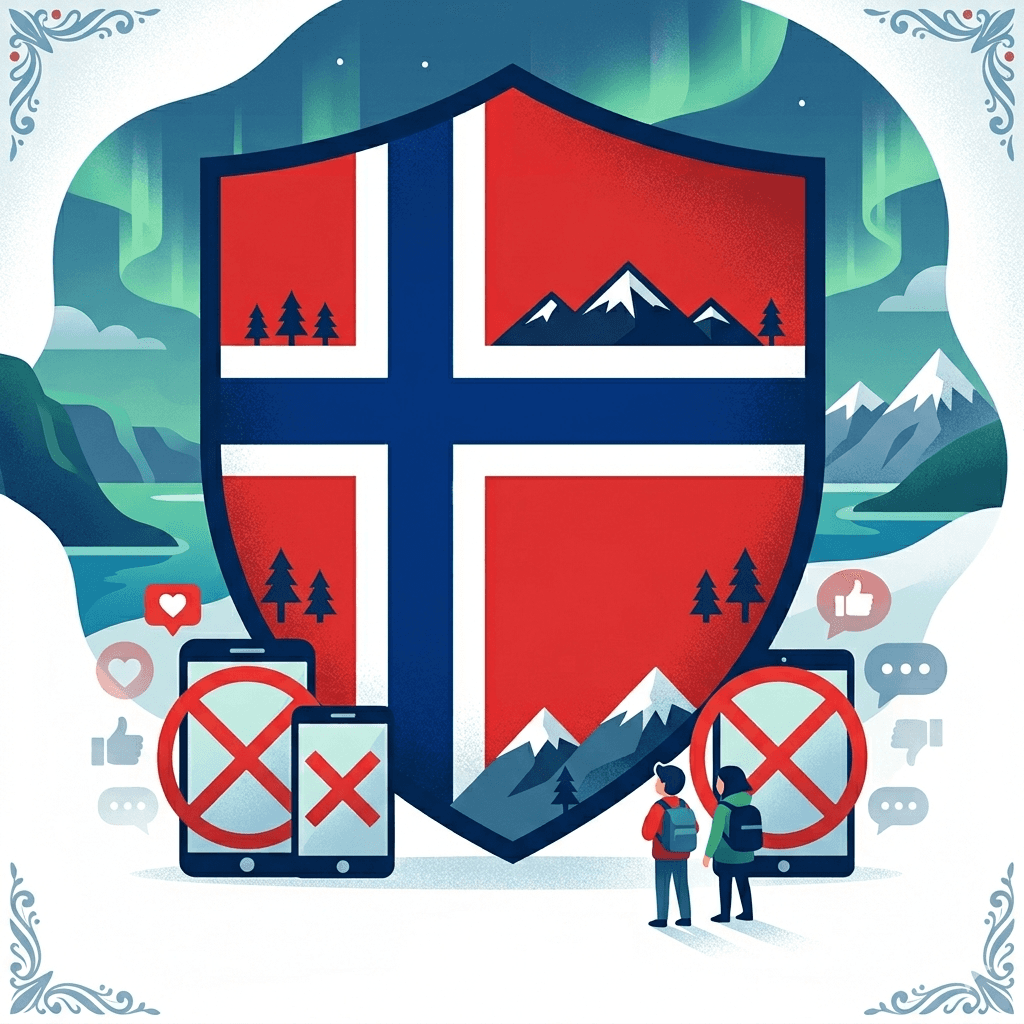

Norway, known for its proactive stance on various social issues, is once again leading the way with a significant proposal: a ban on social media use for children under 16. This bold move, which exceeds current global standards, stems from growing concerns about the impact of these platforms on adolescent well-being. This proposed legislation is poised to shape the future of digital interactions for young Norwegians and could influence international discussions on online child safety.
The primary driver behind this initiative is the mounting evidence linking extensive social media use in adolescents to mental health issues like anxiety, depression, and low self-esteem. Studies have shown that the constant comparison, fear of missing out (FOMO), and exposure to potentially harmful content can significantly impact a young person's developing brain and emotional state. By restricting access, the Norwegian government hopes to mitigate these risks and foster a healthier environment for children to grow and interact in.
This proposed ban marks a considerable departure from the current prevalent standard of 13 years old, established by several global platforms. While the age of 13 was largely adopted from US legislation (COPPA), many experts and policymakers believe it's insufficient in today's increasingly complex digital landscape. By raising the bar to 16, Norway is acknowledging the unique vulnerabilities of younger adolescents and emphasizing the need for more stringent protections. This could set a precedent for other nations to re-evaluate their own policies and potentially implement similar restrictions.
The proposed ban also aims to address concerns about cyberbullying, online grooming, and the spread of misinformation, which can have devastating consequences for young users. Social media platforms, while offering connection and information, can also be breeding grounds for negative interactions and exploitation. By limiting access for younger adolescents, who may lack the necessary critical thinking skills and digital literacy, the Norwegian government hopes to create a safer online experience. This initiative aligns with broader efforts to hold tech companies accountable for user safety and to ensure that their platforms are not harming children.
Implementing such a ban will undoubtedly present logistical challenges. Key to its success will be the development of effective age verification mechanisms. Simple age self-declaration forms are easily bypassed, so robust methods like age estimation technology, parental consent verification, or even government-issued ID checks are being considered. Each of these methods comes with its own set of privacy and security implications, necessitating careful evaluation and stakeholder engagement to find the right balance between child safety and individual rights.
The proposed ban has sparked a necessary conversation about the role of technology in children's lives and the responsibilities of both parents and tech companies. While some argue that parental guidance and education are the key, others believe that systemic changes and regulation are necessary to create a safer digital world. This move by Norway highlights the complexity of the issue and the need for a multifaceted approach that combines parental involvement, technological solutions, and policy interventions.
Ultimately, Norway's plan to ban social media for under-16s serves as a powerful reminder of the importance of prioritizing children's well-being in the digital age. As technology continues to evolve at a rapid pace, it's crucial to stay vigilant and proactively address the potential harms associated with its use. This initiative not only protects young Norwegians but also contributes to a global dialogue about creating a safer, more positive online environment for everyone. The world will be watching closely as Norway navigates this new terrain, and its success or failure could have far-reaching implications for digital regulations worldwide.
NEVER MISS A THING!
Subscribe and get freshly baked articles. Join the community!
Join the newsletter to receive the latest updates in your inbox.


