
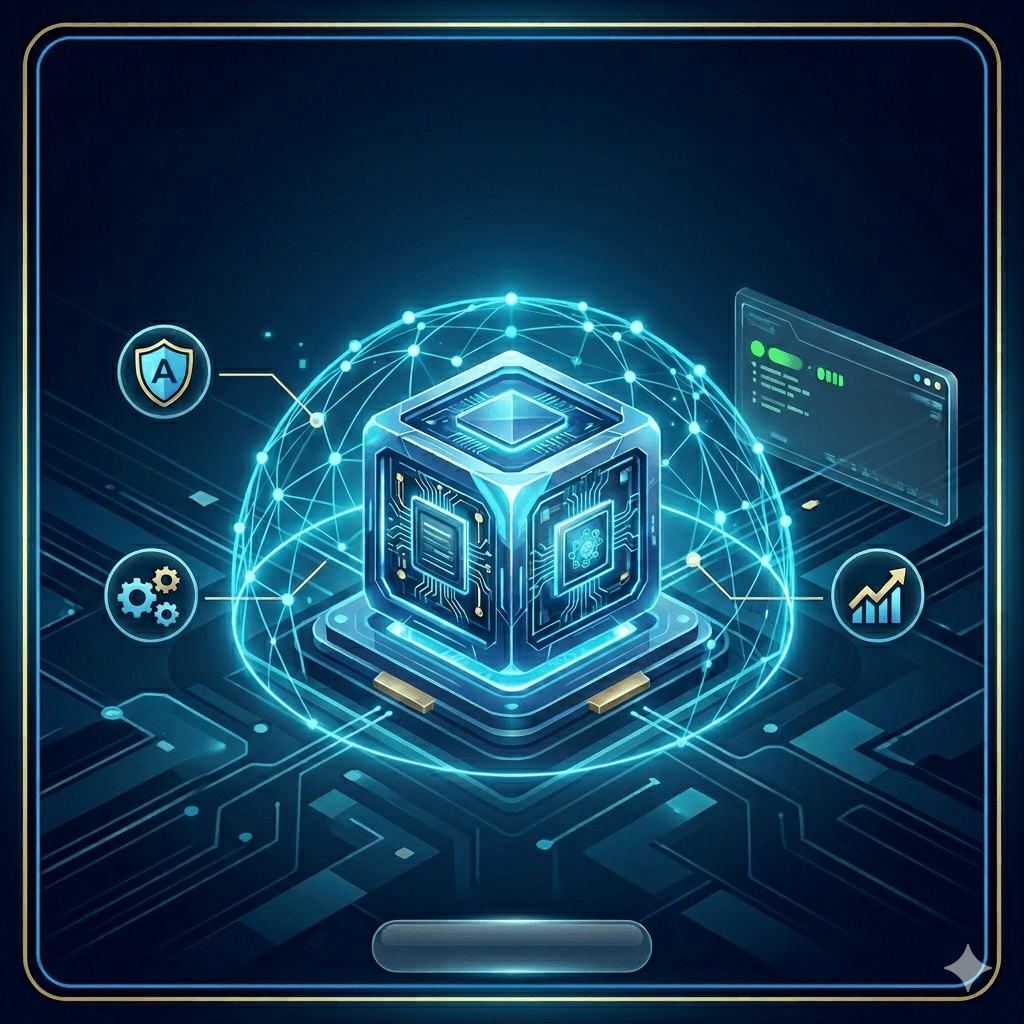

For over a decade, Silicon Valley has promised a future where digital helpers seamlessly organize our lives. Yet, for the longest time, virtual assistants like Siri and Alexa remained largely confined to basic, single-step commands like checking the weather or setting morning alarms. That narrative is undergoing a radical rewrite. The world’s biggest technology companies are shifting their focus away from static chatbots toward "agentic AI"—autonomous computers capable of steering themselves through complex, multi-step workflows with minimal human supervision.
The fundamental goal of this next computing era is to transition from keyboards and mouse clicks to pure intent. Instead of meticulously clicking through tabs, spreadsheets, and software interfaces, users will simply dictate a high-level outcome and let the operating system orchestrate the rest. Rather than acting as passive sounding boards, these new systems feature advanced reasoning engines that break down monumental goals, formulate execution plans, and independently interface with third-party software.
Leading this charge at the hardware level is Nvidia, which recently unveiled its groundbreaking RTX Spark chip designed for Windows laptops. Delivering an unprecedented 1 petaflop of local AI processing power and boasting massive onboard memory, the silicon architecture is built specifically to execute heavy agentic workloads entirely on-device without needing to ping cloud servers. Industry heavyweights Dell, HP, and Lenovo are already aligning to launch specialized laptops powered by the chip, proving that hardware infrastructure is aggressively shifting to support autonomous computing.
On the software front, Microsoft is leaning heavily into this autonomous future with the introduction of "Scout," a new AI agent integrated into Microsoft 365. Built using the popular open-source OpenClaw technology, Scout is engineered to continuously monitor emails, work chats, and local files across Outlook and Teams to execute back-end operations. Simultaneously, Google is innovating its upcoming "Googlebooks" with screen-aware, computer-use capabilities, allowing the OS to read elements on a display and proactively suggest actions—such as automatically scheduling meetings when a user hovers over a text date.
The rapid evolution of open-source frameworks like OpenClaw demonstrates just how drastically user habits are changing. Developers and tech professionals are increasingly deploying autonomous agents on dedicated machines to handle exhaustive research and code generation. Instead of micro-managing the computer, users simply walk away and track the machine's independent progress via text messages on platforms like WhatsApp or Telegram. For creative professionals, tech executives have already demonstrated agents seamlessly jumping between completely separate 3D modeling applications to design architectural blueprints based on spoken feedback.
While local processing offers massive benefits—including enhanced data privacy, reduced cloud server costs, and robust enterprise security—the path to mainstream adoption still faces high hurdles. The specialized local hardware required to run these intensive agents smoothly will likely command a steep price premium, making it difficult for casual consumers to justify frequent device upgrades. Analysts point out that while the technology looks incredibly impressive in controlled tech demos, agentic computing has not yet become universally indispensable to daily consumer workflows.
Beyond price, the ultimate metric for success will be consumer trust. Handing over the digital reins means trusting an autonomous agent to handle sensitive business data, manage communications, and potentially execute financial transactions like purchasing tickets or booking travel. If an agent misinterprets a budget boundary or sends an incorrect email, the consequences fall entirely on the user. However, with Big Tech firmly aligning its chips, operating systems, and enterprise software around self-controlling capabilities, the era of the autonomous computer is no longer a question of "if," but "when."
NEVER MISS A THING!
Subscribe and get freshly baked articles. Join the community!
Join the newsletter to receive the latest updates in your inbox.


