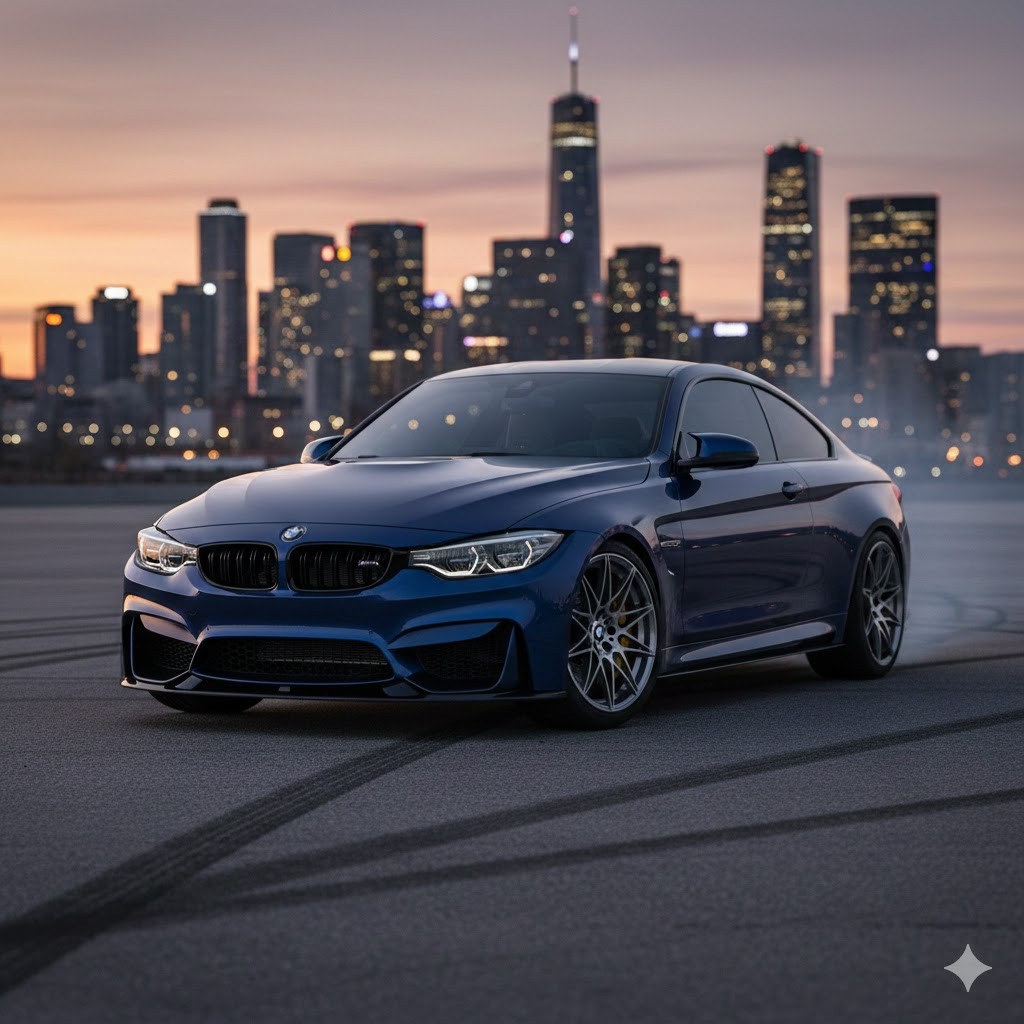

BMW Group India has officially shifted into high gear, announcing an aggressive product roadmap for 2026 that includes the launch of 10 new models and 17 product upgrades. Following a record-breaking 2025 where the brand crossed the 18,000-unit sales milestone, BMW is positioning itself to challenge for the top spot in the Indian luxury segment. This strategic "offensive" aims to capitalize on the soaring demand for premium vehicles while broadening the brand's reach beyond traditional metropolitan hubs into India's rapidly growing Tier-2 and Tier-3 cities.
A cornerstone of this 2026 strategy is a significant push toward localization. BMW India President Hardeep Singh Brar confirmed that the company is working to hike local sourcing beyond its current 50% threshold. By manufacturing more components—including engines, seats, and interior trims—at its Chennai plant, BMW aims to shield its pricing from the volatility of high import duties. This move is not just about cost-cutting; it is a tactical play to offer more competitive "Made-in-India" luxury options that appeal to a wider demographic of aspiring high-net-worth individuals.
The electric vehicle (EV) segment remains the crown jewel of BMW’s recent success, with sales skyrocketing by 200% in the previous year. For 2026, the company is doubling down on its "Electric First" philosophy, with several of the 10 new launches expected to be fully electric or plug-in hybrid models. Currently, EVs account for 21% of BMW’s total sales in India—a figure the brand expects to push toward 25% by the end of the year. To support this, BMW is actively evaluating the local assembly of EV-specific components, such as electric motors, to further lower the barrier to entry for green luxury.
The iconic MINI brand is also set for a major revitalization as part of this expansion. BMW Group India plans to double MINI’s sales volume by introducing a flurry of special editions and new-generation models. Recognizing MINI’s unique appeal as a "lifestyle" brand, the group is targeting younger urban professionals who prioritize design and driving dynamics. By diversifying the MINI portfolio, BMW hopes to create a multi-layered luxury ecosystem that captures customers at various stages of their personal and professional growth.
To ensure this product blitz reaches its target audience, BMW is undergoing its most significant retail expansion in years. The company plans to add 19 new outlets across 18 cities, including strategic entries into markets like Jammu, Amritsar, and Bhopal. This "physical footprint" strategy is designed to provide high-touch service and brand experiences in regions where wealth is growing but luxury infrastructure has historically been limited. The goal is to move the showroom closer to the customer, ensuring that the BMW experience is accessible nationwide.
Financially, the brand is riding a wave of premiumization in the Indian market. The "Luxury Class" segment—comprising top-tier models like the X7 and 7 Series—now accounts for nearly 20% of BMW’s total volume. By launching 10 new cars that span from the accessible 2 Series to the ultra-luxury M performance division, BMW is ensuring it has a presence in every sub-segment of the market. This "omnipresence" is intended to squeeze competitors and provide existing customers with a seamless upgrade path within the BMW family.
As the Indian luxury car market enters a new phase of maturity, BMW’s 2026 roadmap serves as a clear statement of intent. By combining a massive product surge with deeper local integration and a wider retail net, the Bavarian automaker is not just chasing numbers; it is attempting to redefine what luxury mobility looks like in India. If successful, this multi-pronged offensive could permanently shift the leaderboard of the Indian luxury automotive sector, setting a new benchmark for domestic manufacturing and customer engagement.
NEVER MISS A THING!
Subscribe and get freshly baked articles. Join the community!
Join the newsletter to receive the latest updates in your inbox.