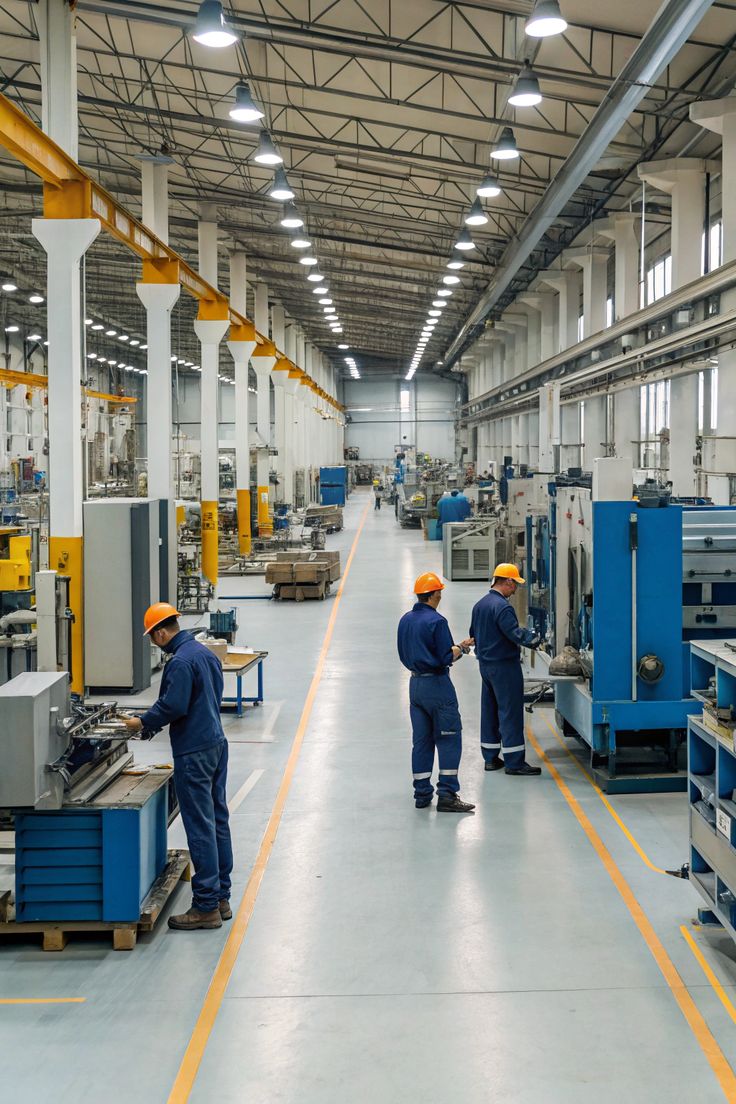

The industrial landscape of Karnataka is undergoing a massive transformation as Foxconn, Apple’s primary contract manufacturer, rapidly scales its iPhone assembly operations in Devanahalli. On December 23, 2025, State Minister for Electronics and IT, Priyank Kharge, lauded the facility for achieving the "fastest industrial ramp-up in India’s history." Having already created 30,000 jobs within just eight months of commencing operations, the state government has now officially set its sights on reaching a total workforce of 50,000 by 2026.
This ambitious employment target is anchored by a massive ₹20,000 crore investment in a sprawling 300-acre campus near Bengaluru. The facility is not just a hub for local consumption; according to government data, it already accounts for more than 80% of iPhones manufactured in India for the global export market. This shift underscores Apple’s broader strategy to diversify its supply chain and solidify India’s role as a major player in the international electronics ecosystem.
A standout feature of the Devanahalli plant is its commitment to gender diversity and youth empowerment. Approximately 80% of the current workforce is composed of women, many of whom are between the ages of 19 and 24 and are entering the formal workforce for the first time. To ensure precision and safety on the production lines, every recruit undergoes a mandatory six-week training program focusing on technical skill development and quality control before they are deployed to the shop floor.
The speed of the rollout has been remarkable, with the factory progressing from testing phases in early 2025 to assembling the latest flagship models, including the iPhone 17 Pro Max. With a production floor space of nearly 250,000 square feet, the facility is expected to eventually house up to 12 assembly lines. Industry observers note that this expansion is effectively positioning Karnataka as a global benchmark for high-volume, high-skill electronics manufacturing.
To support the massive influx of workers, Foxconn is transforming the Devanahalli site into a self-contained "mini-township." Currently, six large dormitories are functional, providing free accommodation and subsidized meals to the predominantly female staff. The long-term master plan for the campus includes the development of medical centers, schools, and recreational facilities, ensuring a holistic living environment for the thousands of employees migrating from across the region.
Economically, the impact of the facility is already being felt across the state. Minister Kharge noted that Karnataka now accounts for 50% of India’s electronic product companies and 40% of the national electronic design sector. The "Foxconn effect" is seen as a primary driver of this growth, supported by the state’s robust Electronics System Design and Manufacturing (ESDM) policy and the national Production Linked Incentive (PLI) scheme introduced by the central government.
As the facility moves toward its 2026 target, the focus is shifting from simple assembly to a more integrated manufacturing hub. Apple is reportedly in discussions with Indian semiconductor firms to begin localizing the assembly and packaging of components like display drivers. If successful, this evolution will ensure that by 2026, the Karnataka facility is not only India's largest iPhone factory by employment but also its most technologically advanced center for electronic exports.
NEVER MISS A THING!
Subscribe and get freshly baked articles. Join the community!
Join the newsletter to receive the latest updates in your inbox.