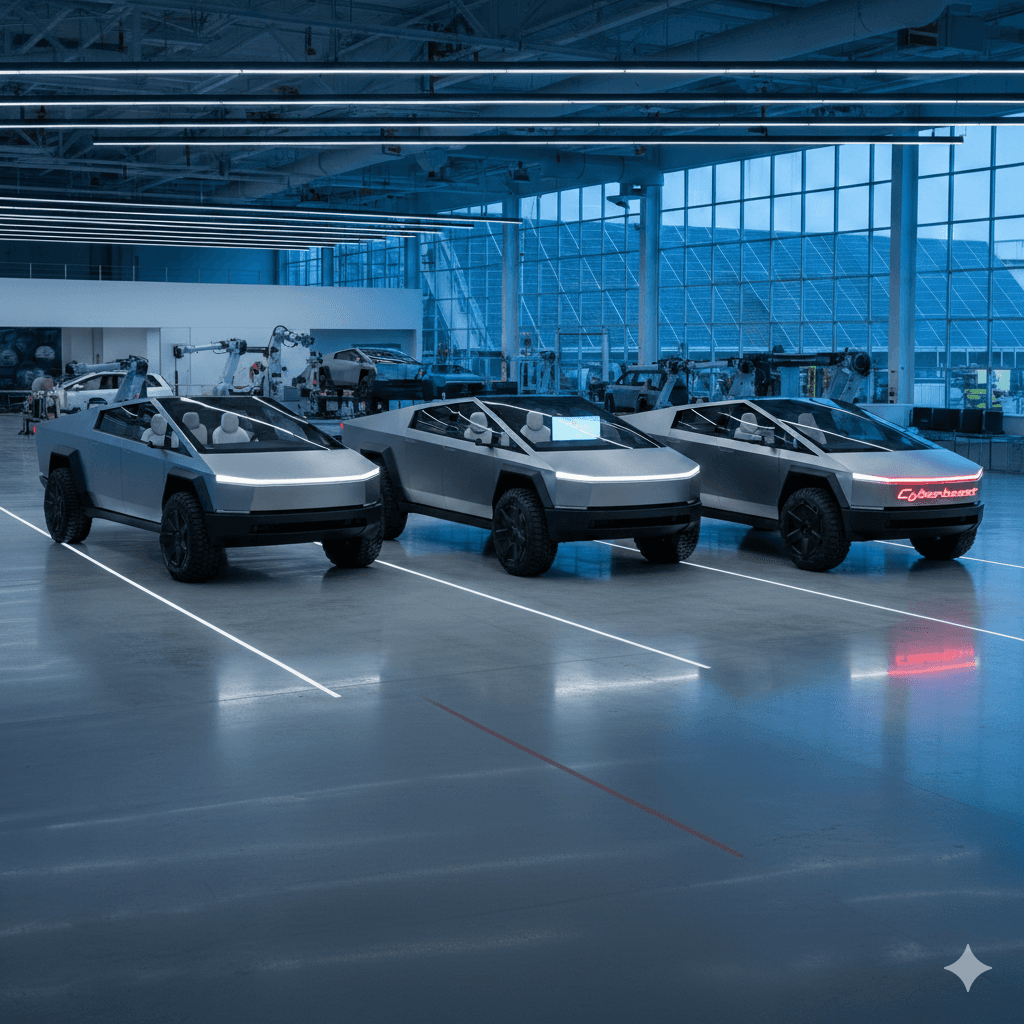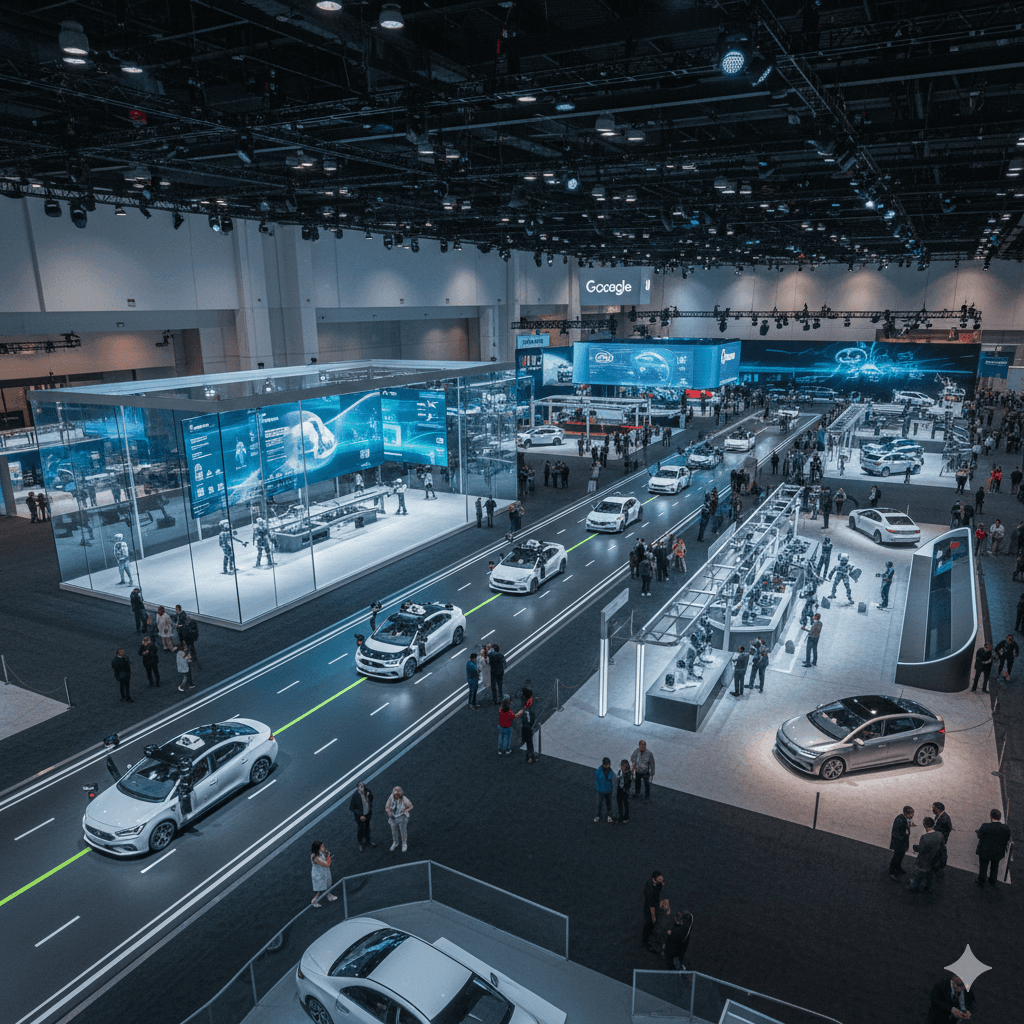

The floor of the 2026 Consumer Electronics Show (CES) in Las Vegas marks a historic pivot for the automotive industry. For the past five years, the "EV Revolution" dominated every keynote, with manufacturers racing to announce ambitious all-electric lineups. However, this year, a "Great Realignment" is underway. Facing cooling consumer demand, the expiration of federal tax credits, and shifting regulatory landscapes, major automakers are quietly dialing back their aggressive EV targets. In their place, Artificial Intelligence and autonomous driving technology have seized the spotlight, repositioning the car not just as a battery on wheels, but as a sophisticated "AI agent."
The primary driver of this shift is a newfound pragmaticism regarding the electric market. While early adopters have mostly been served, mainstream consumers are citing "affordability" and "charging anxiety" as persistent barriers. In response, giants like General Motors and Ford have pivoted resources away from next-generation electric trucks toward hybrid offerings and, more importantly, high-margin software features. The focus has shifted from how the car is powered to what the car can do for the passenger, with "Physical AI" becoming the industry’s new favorite buzzword.
At the center of this AI surge is the maturation of Level 4 autonomy. Unlike previous years where self-driving felt like science fiction, CES 2026 is showcasing "eyes-off" functionality for highway and city driving. Companies such as Rivian and Mercedes-Benz are demonstrating systems that allow drivers to engage in other tasks while the vehicle navigates complex urban environments. This shift is supported by a more favorable regulatory environment and a unified national standard for robotaxis, which has reinvigorated investor confidence in autonomy as the next major revenue frontier.
Inside the cabin, the dashboard has evolved from a simple infotainment screen into a "Digital Living Room." Automakers are leaning heavily into Generative AI and Large Language Models (LLMs) to create natural-voice assistants that do more than just change the radio station. These "AI Co-pilots" can now summarize work emails, plan complex multi-stop routes based on real-time energy efficiency, and even adjust cabin lighting and temperature based on the driver's mood or stress levels. The vehicle is no longer a passive tool; it is an active, learning partner in the daily commute.
Beyond personal vehicles, "Physical AI" is making a massive splash in the commercial and robotics sectors. Hyundai’s Boston Dynamics took center stage with a live demonstration of the next-generation Atlas robot, illustrating a future where automotive AI extends into logistics and manufacturing. Meanwhile, partnerships between tech giants like Nvidia and traditional suppliers like Bosch are producing the "brains" necessary to power these systems. The goal is to create a seamless ecosystem where the same AI that drives your car also manages your smart home and coordinates your deliveries.
Despite the pullback on new EV launches, the electric technology that remains is becoming more practical. CES 2026 is focusing on "execution over concepts," with displays highlighting 800-volt fast-charging systems and advanced thermal management materials that prevent range loss in extreme cold. The industry is effectively "filling in the gaps" of the EV experience, making charging feel boringly reliable while they bet the bulk of their marketing and R&D budgets on the "smarter" capabilities of AI.
As CES 2026 draws to a close, the message from the automotive world is clear: the race for the biggest battery is over, and the race for the smartest software has begun. The "Great Realignment" suggests that while the future remains electric in the long term, the immediate path forward will be paved with chips, sensors, and intelligent agents. For the consumer, this means cars that are safer, more personalized, and increasingly capable of handling the drudgery of driving—even if they still have a gas tank or a hybrid engine under the hood.
NEVER MISS A THING!
Subscribe and get freshly baked articles. Join the community!
Join the newsletter to receive the latest updates in your inbox.